Philosophy of Science and the Logic of Experimentation

Philosophy of Science and
the Logic of Experimentation - Journal Club archive from 2024-10-30 - Focus: how experimentation connects deduction, induction, and causality

Philosophy of Science


The philosophy of science is as useful to scientists as ornithology is to birds
Richard Feynman (commonly attributed)

There is no such thing as philosophy-free science; there is only science whose philosophical baggage is taken on board without examination
Daniel Dennett

Peak Science, circa 17th century

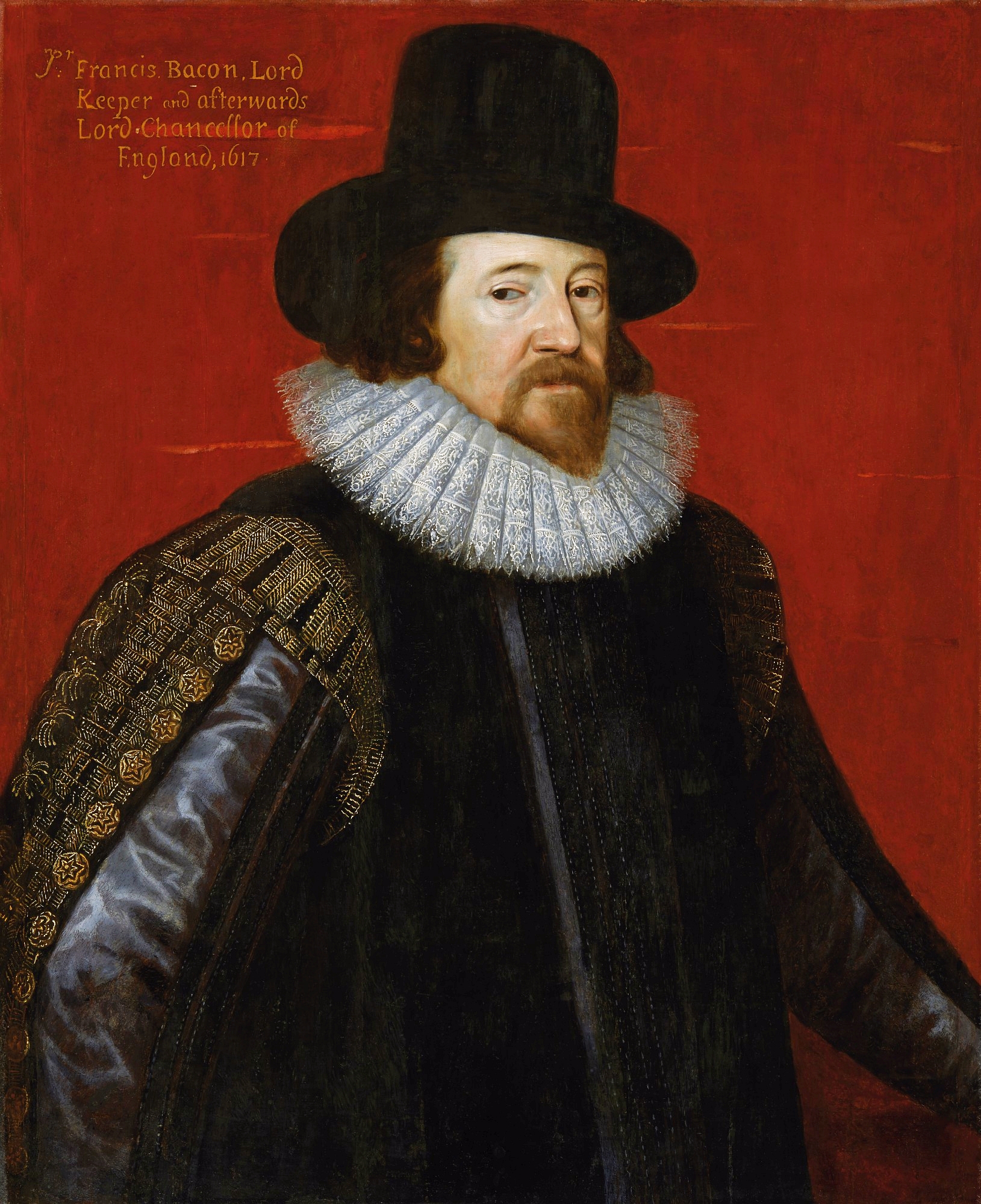
  • Francis Bacon argued against Aristotelian scholasticism.
  • He emphasized deliberate manipulation of variables, not just passive observation.

Novum Organum, or true directions concerning the interpretation of nature
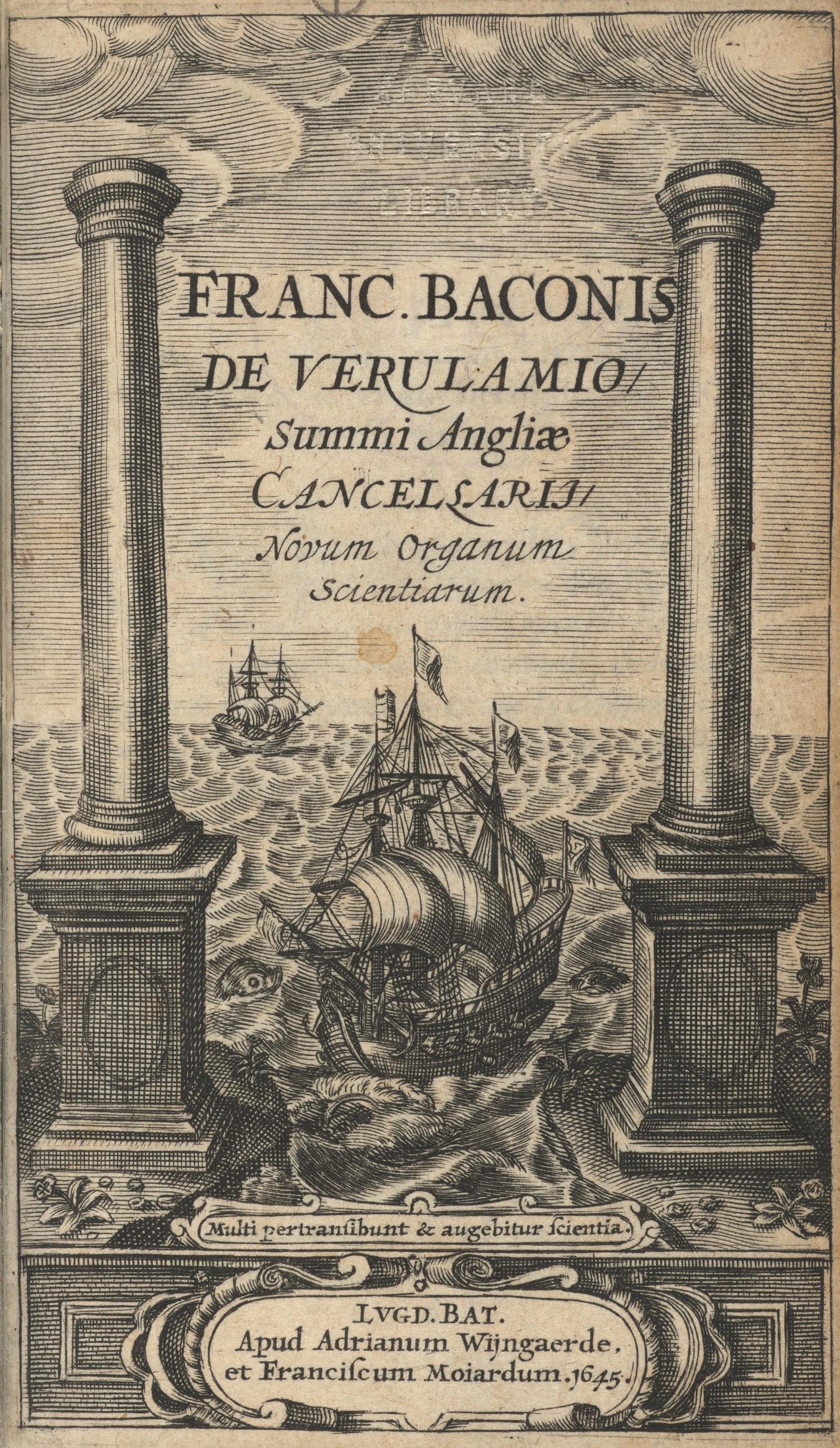
  • Proposed a reconstruction of scientific method around experimentation.
  • Framed as a replacement for older rule-based reasoning traditions.

Bacon

  • Scientific observations are to be in a purely objective manner, putting aside prejudices, loyalties, and preferences
  • Nature of heat in three steps
    1. Assemble all positive instances of heat
    2. Assemble all negative instances of heat
    3. Assemble all the ways in which heat varies with other quantities
    • Profit?
  • “[heat] itself, its essence and quiddity is motion and nothing else.”

Subjectivity in Science

  • What is interesting?
    • No data collection without pre-existing ideas about its relevance
  • Expectation from the data
    • Statistics not a sure recourse
    • Garden of forking paths
  • How should the findings be explained?
    • There is a one-to-many mapping from scientific to statistical hypotheses

Deductive Logic

Role Statement
Premise 1 All talks on philosophy are boring
Premise 2 This is a talk on philosophy
Conclusion Therefore, this talk is boring
  • Form: deductive syllogism (if premises are true, conclusion must be true).

Inductive Logic

Observation Statement
Case 1 Ramesh likes 5 star
Case 2 Suresh likes 5 star
More observed cases are similar
Generalization Everyone likes 5 star
  • Form: inductive inference (conclusion is plausible, not guaranteed).

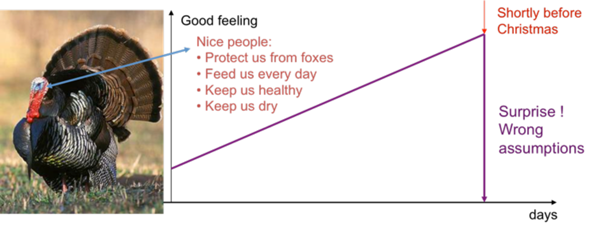
Problem of Induction

  • We justify future expectations from past regularities.
  • Hume’s challenge: that move itself is inductive, so the justification is circular.

Vienna Circle

  • Logical Positivism
  • Logical
    • Wittgenstein’s mathematical philosophy
    • Whitehead and Russell’s Principia Mathematica
  • Positivism
    • All knowledge must be based on positive (sure) methods
  • Verifiability Criterion of Meaning

Popper

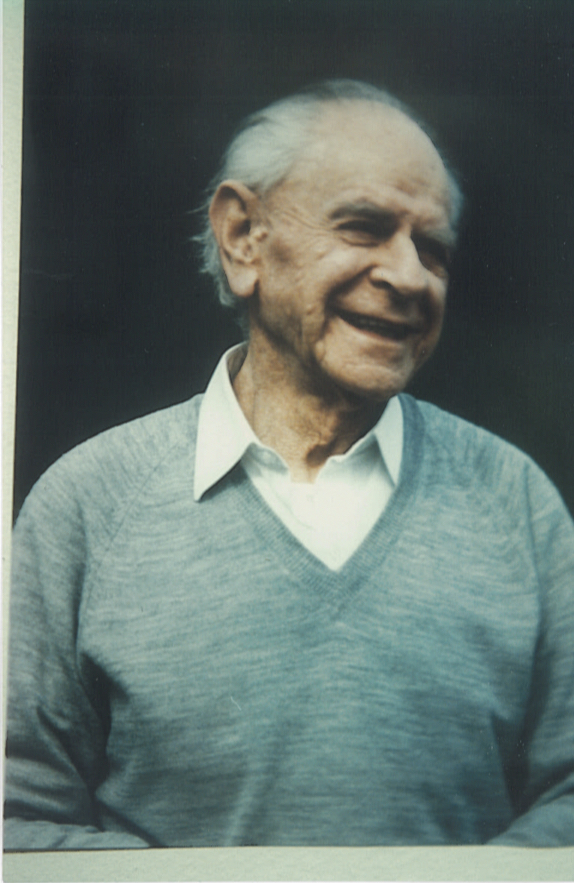
… scientific attitude was [that] which did not look for verifications but for crucial tests; tests which could refute the theory tested…

  • Popper accepts Hume’s critique and rejects induction as a basis for confirmation.
  • Strong tests are valuable when they can potentially falsify a theory.

Popper

  • Progress occurs by falsifying theories
  • Syllogism of Falsification
  • Verisimilitude

Popper

  • Syllogism of Confirmation
    • If theory T is true, then the data will follow the predicted pattern P.
    • The data follow predicted pattern P.
    • Therefore, theory T is true.
  • Syllogism of Falsification
    • If theory T is true, then the data will follow the predicted pattern P.
    • The data do not follow predicted pattern P.
    • Therefore, theory T is false

Kuhn

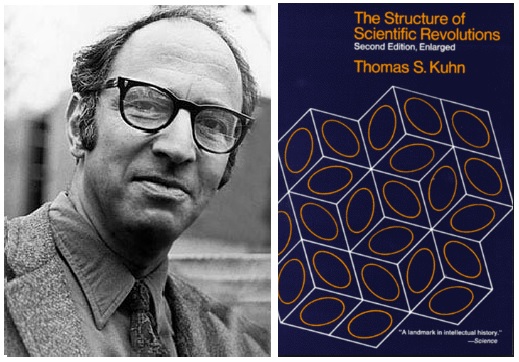
  • Kuhn emphasizes the psychology and sociology of scientific communities.
  • Scientific change often occurs through paradigm shifts after accumulated anomalies.

Kuhn

  • Paradigms
  • Normal science
  • Anomalies
  • Scientific revolution

Assumptions of Science

  • Nature is lawful
    • Nature is understandable
    • Nature is uniform
      • Temporality
      • Experimental material
    • Principle of causality
      • Hume - correlation is all we can know
      • But, causal inferences are permitted

Assumptions of Science

  • Finite Causation
    • Causes are finite and discoverable
    • Generality
    • Parsimony - simple explanations

Experimentation

  • Deduction
  • Induction
  • To understand causal relationships
  • Many kinds of causal relationships
  • Experiments test predictions and map when effects do or do not appear.
  • In behavioral science, patterns are extracted through random variation.

Realism

  • The world exists
  • It is possible to know things
  • Aim is know things
  • Correspondence with Truth
  • Bends towards Truth
  • Scientific claims are evaluated by how well they match observer-independent reality.
  • Mature sciences are expected to improve toward better approximations of truth.

Thanks!